

4mm toughened glass
The Slow Closing Check Valve is a critical component in modern fluid control systems, designed to optimize performance and reduce operational risks. Developed by Storaen (Cangzhou) International Trading Co., this innovative valve combines advanced engineering with practical functionality to address the challenges of industrial and commercial applications. This article explores the product features, technical specifications, advantages, application scenarios, and the company background of this essential device. Product Features: A Revolution in Fluid Control The Slow Closing Check Valve stands out for its novel structure and superior performance. Unlike traditional check valves that rely on gravity or spring mechanisms, this valve employs a hydraulic system to regulate the speed of opening and closing. This design ensures a smooth and controlled operation, minimizing the risk of water hammer (a sudden pressure surge caused by abrupt flow cessation). According to the National Institute of Standards and Technology (NIST), water hammer can lead to significant damage in piping systems, emphasizing the importance of slow-closing mechanisms in fluid dynamics ( NIST ). Key features of the Slow Closing Check Valve include: Excellent Sealing Performance : The valve’s design ensures minimal leakage, even under high-pressure conditions. Low Resistance and High Flow Capacity : Optimized internal geometry reduces flow resistance, allowing for efficient fluid movement. Adjustable Operation : Users can fine-tune the valve’s closing speed to match specific system requirements. Durability and Longevity : Constructed with high-quality materials, the valve is engineered to withstand harsh environments and extended use. Technical Specifications: Precision Meets Performance The Slow Closing Check Valve is designed to meet the demands of diverse industrial applications. Below is a detailed overview of its technical specifications: Parameter Specification Model 300X Slow-Closing Muffler Check Valve Pressure Rating 10-25 MPa (depending on size) Flow Capacity Up to 1,200 m³/h Material Stainless Steel, Cast Iron, or Carbon Steel (customizable) Connection Type Flange, Threaded, or Welded Operating Temperature Range -20°C to 150°C Service Life Over 10 years under normal conditions These specifications highlight the valve’s versatility and reliability, making it suitable for a wide range of industries, from water treatment to oil and gas. The adjustable closing speed allows users to tailor the valve’s performance to their specific needs, ensuring optimal efficiency and safety. Advantages: Why Choose the Slow Closing Check Valve? The Slow Closing Check Valve offers several advantages that make it a preferred choice for engineers and system designers: Reduced Water Hammer Effects : By slowing the closure process, the valve minimizes pressure surges, protecting pipelines and equipment from damage. Energy Efficiency : The low resistance and high flow capacity reduce energy consumption, lowering operational costs. Enhanced Safety : The valve’s controlled operation prevents sudden flow interruptions, reducing the risk of system failures. Customizable Solutions : Storaen offers tailored designs to meet unique application requirements, ensuring seamless integration into existing systems. According to a study published by NIST , the integration of smart valve technologies can significantly improve system reliability and reduce maintenance costs. The Slow Closing Check Valve aligns with these findings, offering a cost-effective solution for modern fluid control systems. Application Scenarios: Where the Valve Shines The Slow Closing Check Valve is ideal for applications requiring precise flow control and protection against pressure fluctuations. Common use cases include: Water Treatment Plants : Ensuring smooth water flow and preventing damage from sudden pressure changes. Industrial Piping Systems : Protecting pumps, turbines, and other critical equipment from water hammer. Oil and Gas Industry : Controlling fluid flow in high-pressure environments with minimal maintenance. HVAC Systems : Enhancing efficiency and longevity of heating and cooling systems. Storaen’s Slow Closing Check Valve is also used in agricultural irrigation systems and power generation facilities, where reliable performance is paramount. The valve’s adaptability to different environments makes it a versatile solution for engineers worldwide. Company Background: Storaen (Cangzhou) International Trading Co. Storaen (Cangzhou) International Trading Co. is a leading provider of industrial valves and fluid control solutions, with a strong reputation for quality and innovation. The company specializes in designing and manufacturing hydraulic and pneumatic components, serving clients across multiple sectors, including energy, manufacturing, and infrastructure. With a commitment to technological advancement and customer satisfaction, Storaen has established itself as a trusted partner for businesses seeking reliable and efficient fluid control systems. Their products are engineered to meet international standards, ensuring compliance with safety and performance requirements. For more information about Storaen’s products and services, visit their official website . Conclusion: A Reliable Solution for Modern Fluid Control The Slow Closing Check Valve by Storaen (Cangzhou) International Trading Co. represents a significant advancement in fluid control technology. Its innovative design, superior performance, and versatile applications make it an essential component for industries relying on efficient and safe fluid systems. By addressing common challenges such as water hammer and flow resistance, this valve offers a cost-effective and durable solution for modern engineering needs. For those seeking a reliable supplier of high-quality valves, Storaen’s Slow Closing Check Valve is a standout choice. Explore their product catalog and discover how their solutions can enhance your system’s performance and longevity. References 1. National Institute of Standards and Technology (NIST) . (n.d.). Fluid Dynamics and Valve Technologies. Retrieved from https://www.nist.gov . 2. Storaen (Cangzhou) International Trading Co. (2024). Slow Closing Check Valve Specifications. Retrieved from https://www.strmachinery.com/slow-closing-check-valve.html .
about
4mm toughened glass
Understanding Hydraulic Ball Check Valves Key Components and Applications Hydraulic systems are integral to a multitude of industrial processes, from manufacturing to construction. One critical component often utilized in these systems is the hydraulic ball check valve. This article delves into the specifics of hydraulic ball check valves, exploring their design, functionality, advantages, and various applications. What is a Hydraulic Ball Check Valve? A hydraulic ball check valve is a mechanical device used to prevent backflow in hydraulic systems. It is designed to allow fluid to flow in one direction while blocking it from flowing in the opposite direction. The heart of the valve is a sphere, traditionally made of steel or plastic, which moves up and down within a cylindrical housing. When fluid flows in the intended direction, the ball is pushed away from the valve seat, allowing fluid to pass through. If the flow reverses, the ball is pushed back against the seat, creating a seal that prevents backflow. Design and Construction The construction of a hydraulic ball check valve typically comprises a valve body, a ball (the closure element), and a spring (which may or may not be present depending on the valve design). The valve body is usually made from durable materials such as brass, stainless steel, or thermoplastics, ensuring compatibility with various fluids and operating conditions. The ball itself is engineered to fit precisely in the valve seat, allowing for a close seal when the valve is closed. This design minimizes leakage and maximizes efficiency. Moreover, the size of the valve—like the diameter of the opening—affects flow rates and pressure drops, necessitating careful selection based on the specific hydraulic application. Functionality of Hydraulic Ball Check Valves The primary function of a hydraulic ball check valve is to prevent backflow, which can lead to system failures, contamination of fluids, or damage to equipment. Backflow can occur for various reasons, such as equipment shutdowns, gravitational forces, or sudden changes in pressure. By ensuring unidirectional flow, ball check valves enhance the overall reliability of hydraulic systems. These valves are typically installed in pipelines, pumps, or near accumulators, where they can effectively manage fluid dynamics. They are especially valued in systems where pressure fluctuations are common, as they can quickly respond to changes, maintaining system integrity. Advantages of Hydraulic Ball Check Valves hydraulic ball check valve One of the significant advantages of hydraulic ball check valves is their simple design, which allows for easy installation and maintenance. Unlike other check valve designs, such as swing or diaphragm check valves, ball check valves have fewer moving parts, reducing the likelihood of mechanical failure. The ball's action is swift and self-activating, requiring no external power to function. This self-regulating feature is especially beneficial in applications where reliability is paramount. Additionally, ball check valves offer low flow resistance, which means they do not significantly impede the passage of fluid. This characteristic is crucial in hydraulic systems that require efficient fluid transfer for optimal performance. Applications of Hydraulic Ball Check Valves Hydraulic ball check valves are utilized across various industries due to their reliability and effectiveness. Common applications include 1. Hydraulic Systems They are essential in hydraulic power units, ensuring that hydraulic fluid flows to actuators without backflow that might disrupt operations. 2. Water and Wastewater Management In water treatment plants, these valves prevent backflow, safeguarding the quality of treated water. 3. Aerospace and Automotive Hydraulic systems in aircraft and vehicles employ ball check valves to maintain safe and efficient fluid operations. 4. Manufacturing Many manufacturing processes that employ hydraulic machinery utilize ball check valves to control fluid flow and maintain pressure. Conclusion In conclusion, hydraulic ball check valves are vital components in modern hydraulic systems, providing a straightforward yet effective solution to prevent backflow. Their design, functionality, and advantages make them a preferred choice in numerous applications across various industries. As technology continues to advance, the demand for such reliable components is likely to grow, ensuring the continued efficiency and safety of hydraulic operations. Understanding the operation and benefits of hydraulic ball check valves is essential for engineers and technicians involved in fluid dynamics, ultimately contributing to the enhancement of hydraulic system performance.
-

High quality industrial productsagement

High quality industrial products
View Details -

Meet the diverse needs of customers

Meet the diverse needs of customers
View Details -

Strict quality control

Strict quality control
View Details -

Top raw materials

Top raw materials
View Details -

Trusted supplier

Trusted supplier
View Details
Our application


news and information
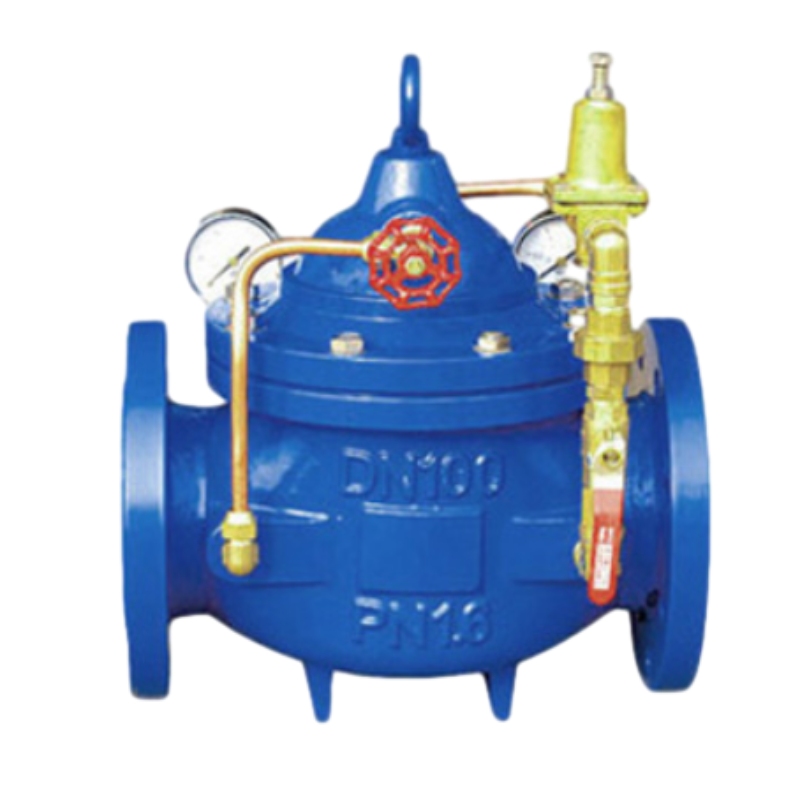
Van nước mở hoặc đóng
Van nước Bật hay Tắt? Trong cuộc sống hàng ngày, van nước đóng vai trò cực kỳ quan trọng. Chúng khôn
welded globe valve
Understanding Welded Globe Valves A Comprehensive Overview Welded globe valves are vital components

water cut off valve
Understanding Water Cut Off Valves Essential Components for Effective Water Management Water cut off
 English